What to Look for in a Radon Mitigation Contractor
When I bought my first house in St. Louis, I did all the usual things. I hired a home inspector, checked the roof, and poked around the basement for cracks. What I did not do was test for radon gas. That oversight cost me months of worry and a rushed mitigation job that had to be redone. The experience taught me something I now tell every homeowner: picking the right radon mitigation contractor is just as important as deciding to mitigate in the first place.
Radon is a naturally occurring radioactive gas that seeps into buildings from the soil. The EPA estimates it causes thousands of lung cancer deaths each year, and it is particularly prevalent in parts of the Midwest, including the St. Louis area. Testing is straightforward, but once you discover elevated levels, the real work begins. That is where a qualified professional comes in.
Why Experience with Local Conditions Matters
Radon mitigation is not a one-size-fits-all process. The soil composition, foundation type, and climate all affect how radon enters a home and how best to remove it. In St. Louis, many homes have basements, crawl spaces, or a combination of both. Some have sump pumps, others have French drains. An experienced radon mitigation contractor will know how to assess these variables and design a system that works for your specific situation.
I learned this the hard way. The first contractor I hired had general construction experience but little specific training in radon mitigation. He installed a sub-slab depressurization system with PVC piping that looked solid, but he failed to seal the basement floor properly. The manometer on the fan never showed a stable reading, and post-installation verification revealed levels almost as high as before. I had to pay someone else to tear it out and start over.
A good radon mitigation contractor understands that sealing alone is rarely enough. Soil suction systems, sometimes called sub-slab depressurization, rely on a fan to pull radon from beneath the foundation and vent it safely outside. But the fan must be sized correctly, the piping must be airtight, and the manometer must be installed in a visible location so you can monitor performance. These details matter.
What a Proper Mitigation System Looks Like
A typical system uses PVC piping routed from the sub-slab area through the basement or crawl space and out through the roof or an exterior wall. An in-line fan creates negative pressure under the slab, drawing radon gas away from the living space. The manometer, often a simple U-tube gauge, shows whether the fan is maintaining proper suction. If the liquid in the manometer is level, the system is not working. If it shows a difference between the two sides, the system is active.
Sealing is a critical part of the installation. Cracks in the basement floor, gaps around pipes, and openings in crawl space walls must be closed with caulk or foam. Without proper sealing, the fan may pull conditioned air from inside the house rather than soil gas from beneath the slab. That reduces efficiency and can even increase energy costs.
Post-installation verification is the step many homeowners overlook. A reliable radon mitigation contractor will test the air again after the system is running, usually with a continuous radon monitor or an activated carbon detector. The EPA recommends waiting at least 48 hours after installation before testing, and the results should show a significant reduction in radon concentration. If they do not, the contractor should be willing to adjust the system or try a different approach.
Credentials and Training
Not everyone who offers radon mitigation services is equally qualified. Look for a contractor who has completed training from an accredited program, such as those offered by the National Radon Proficiency Program or the National Radon Safety Board. Certification is not mandatory in every state, but it signals a commitment to industry standards. The EPA publishes guidelines for radon mitigation, and a good contractor will be familiar with them.
In St. Louis, companies like Air Sense Environmental specialize in radon testing, radon system installation, and post-installation verification. They have experience with the local geology and construction methods. When I finally called them, the technician spent an hour inspecting my basement, crawl space, and the existing system before recommending a redesign. He explained why the previous installation had failed and what he would do differently. That level of thoroughness is what you want.
Questions to Ask Before Hiring
Before you commit to a radon mitigation contractor, ask a few pointed questions. How many systems have you installed in homes similar to mine? Do you perform a pre-mitigation test, and do you guarantee the results? What type of fan and piping do you use, and where will the vent terminate? Will you seal cracks and gaps as part of the installation, or is that an extra charge? How do you handle post-installation verification, and what happens if the levels remain high?
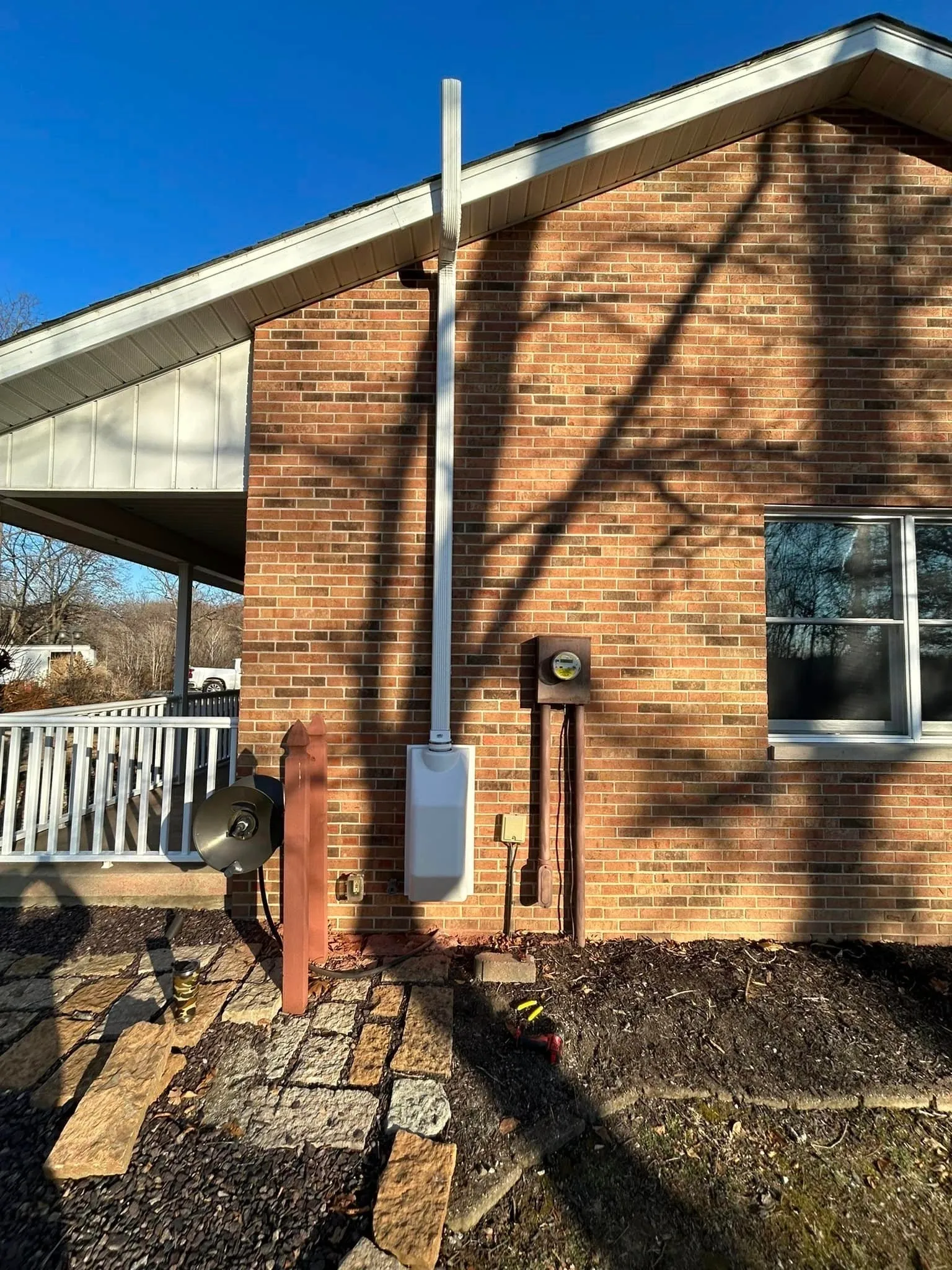
These questions do more than just give you information. They reveal whether the contractor treats radon mitigation as a technical discipline or just a side job. A professional who can explain the trade-offs between sub-slab depressurization and other methods, or who discusses the importance of a continuous radon monitor for long-term tracking, is someone worth trusting.
The Role of Testing and Follow-Up
Testing is not a one-and-done activity. Radon levels can fluctuate with weather, soil moisture, and changes to the building envelope. Even after a mitigation system is installed, it is wise to test every two years or after any major renovation. A continuous radon monitor gives you real-time data and can alert you to problems early. Some homeowners use short-term activated carbon detectors for a quick check, but these only provide a snapshot.
A reliable radon mitigation contractor will encourage ongoing testing and will stand behind their work. If you notice the manometer reading has changed or the fan sounds different, call them. A small issue like a blocked vent or a failing fan can allow radon levels to creep back up without you knowing.
Cost vs. Value
Radon mitigation is not cheap, but neither is ignoring the problem. The cost of a system varies based on the size of the home, the foundation type, and the complexity of the installation. A simple sub-slab depressurization in a basement might run a few thousand dollars. A more involved system in a crawl space with multiple suction points can cost more. But compared to the potential health costs of long-term radon exposure, it is a reasonable investment.
When you compare bids, look beyond the bottom line. A lower price might mean thinner PVC piping, a less powerful fan, or shortcuts on sealing. A higher price might include a more durable fan, a better warranty, and thorough post-installation verification. Ask for a written scope of work that specifies the materials, the testing protocol, and the expected performance. A contractor who puts that in writing is more likely to deliver what they promise.
Trust Your Instincts
Choosing a radon mitigation contractor is a personal decision. You are inviting someone into your home to make permanent changes to the structure. You need to feel confident that they know what they are doing and that they care about the outcome. If a contractor is dismissive of your questions, vague about their methods, or unwilling to provide references, move on. There are enough qualified professionals in St. Louis that you do not need to settle.
I have seen too many homeowners pick the cheapest bid or the first name they found online. Some of them ended up like me, paying twice for a job that should have been done right the first time. Others never verified the results and lived with a system that was barely working. Radon is invisible and odorless, so it is easy to ignore. But the data is clear: exposure over time is dangerous. A properly installed mitigation system, backed by post-installation verification and regular testing, gives you peace of mind.
If you live in an area with known radon risk, take the time to find a contractor who treats the work seriously. Look for someone who tests before and after, who seals every crack, and who explains how the system works. That is the difference between a temporary fix and a long-term solution.
Corrections
Spot something wrong? Send it to the desk and it gets fixed in the open.